Strategic investment in tourism
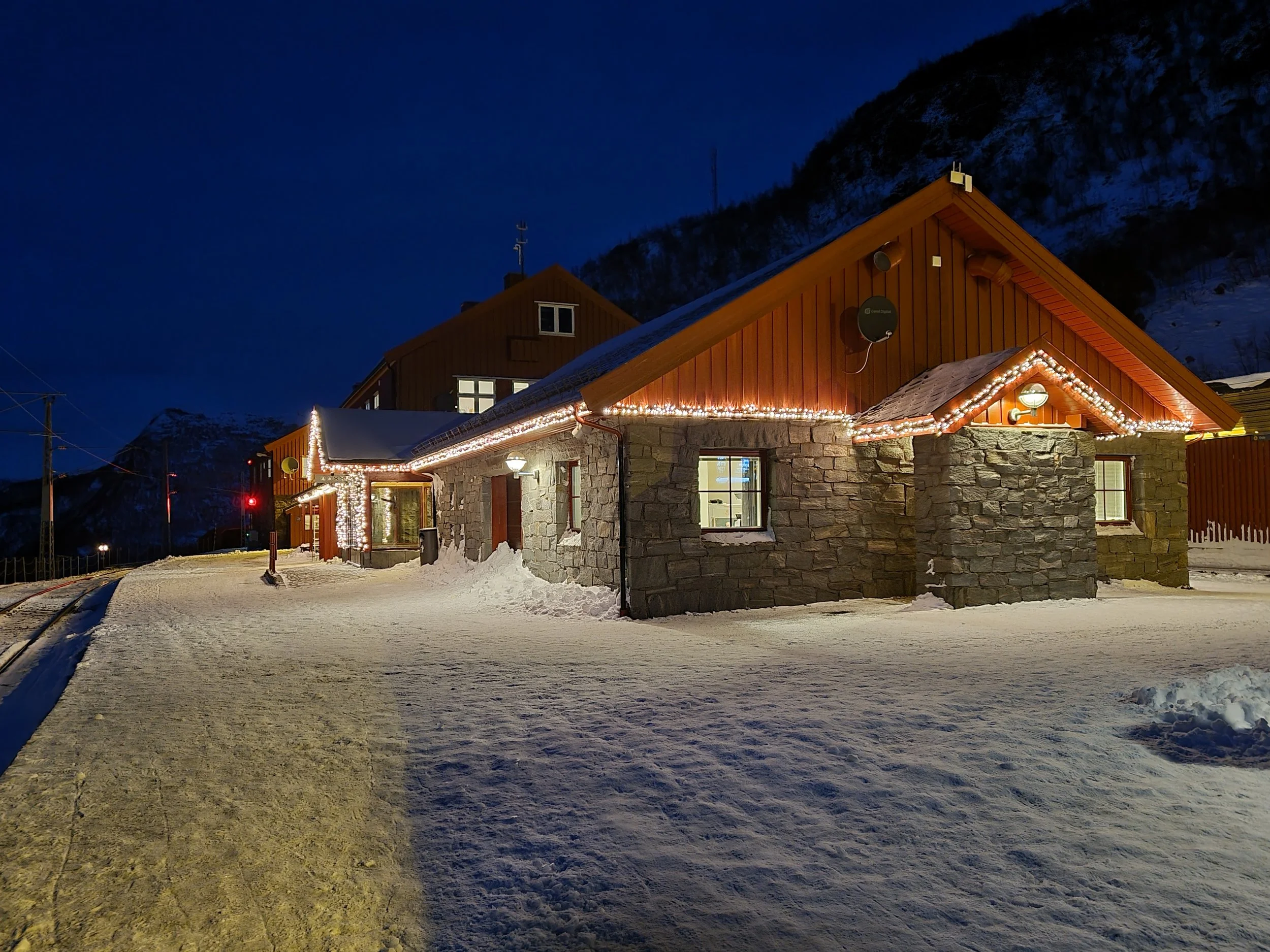
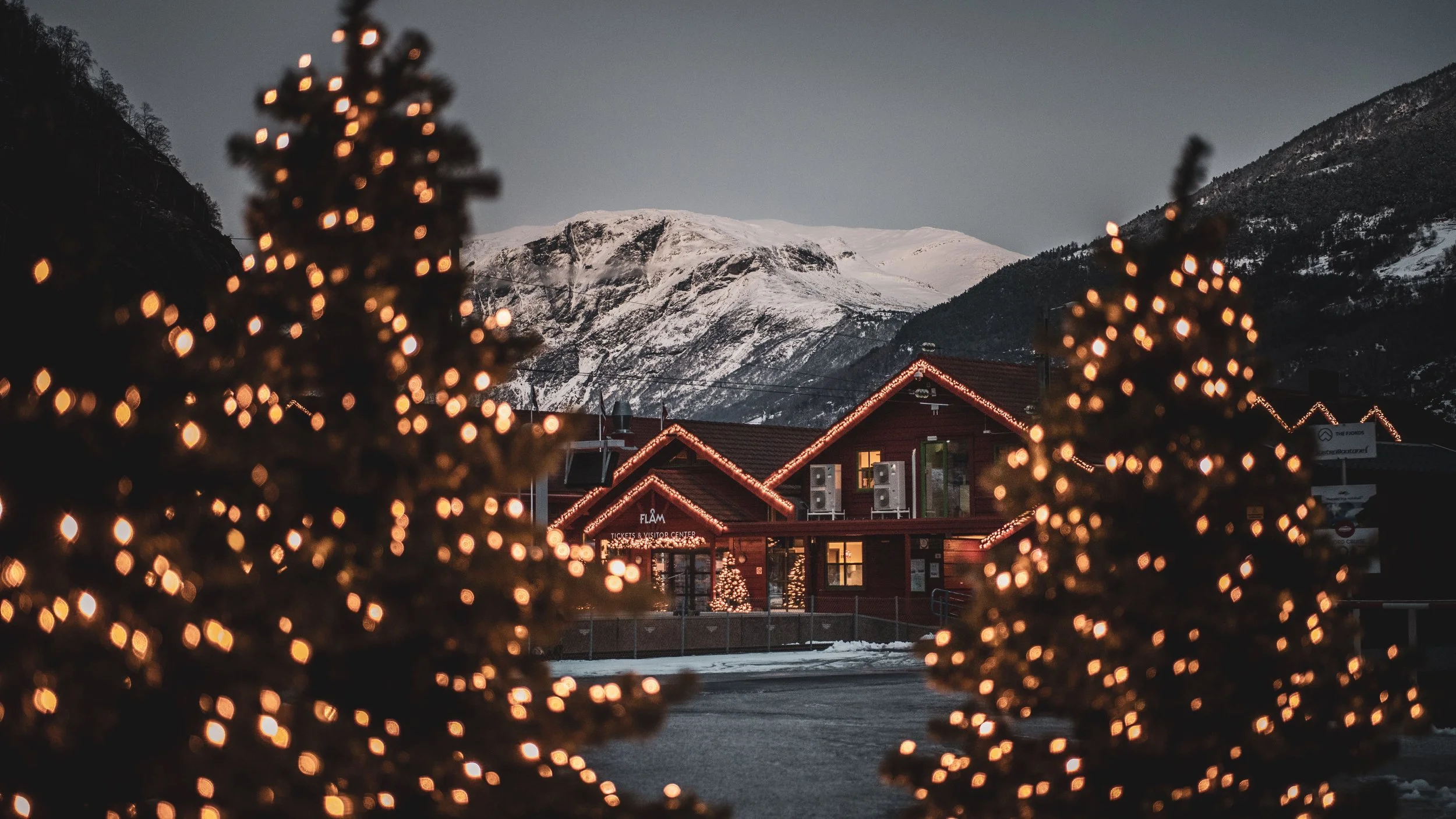
In the same period, Aurland Municipality chose to focus on strategic investment in tourism to create new jobs. NSB supported the municipality's strategy through the "Flåm Railway Project" with new station premises in Flåm completed in 1992, a new track arrangement and platform in Flåm completed in 1993, and a new, extended crossing track at Berekvam in 1994. The latter measure had a major impact on capacity, since long passenger trains could now cross in the middle of the line instead of having to run "relay".
Obsolete rolling stock eventually had to be taken out of service, and with large annual growth in travel numbers, between 1992 and 1999 a set of X-10 motor coaches was hired from Stockholm Lokaltrafik to handle summer traffic. The Swedish trains were blue with a large white SL logo on the front, and were popularly known in Flåm as "the Sognefjord Line". In addition to improving passenger comfort, the set of railcars increased daily capacity, as it became possible to have a higher frequency of departures and a more flexible operating model. This created room for significant growth in travel numbers.